
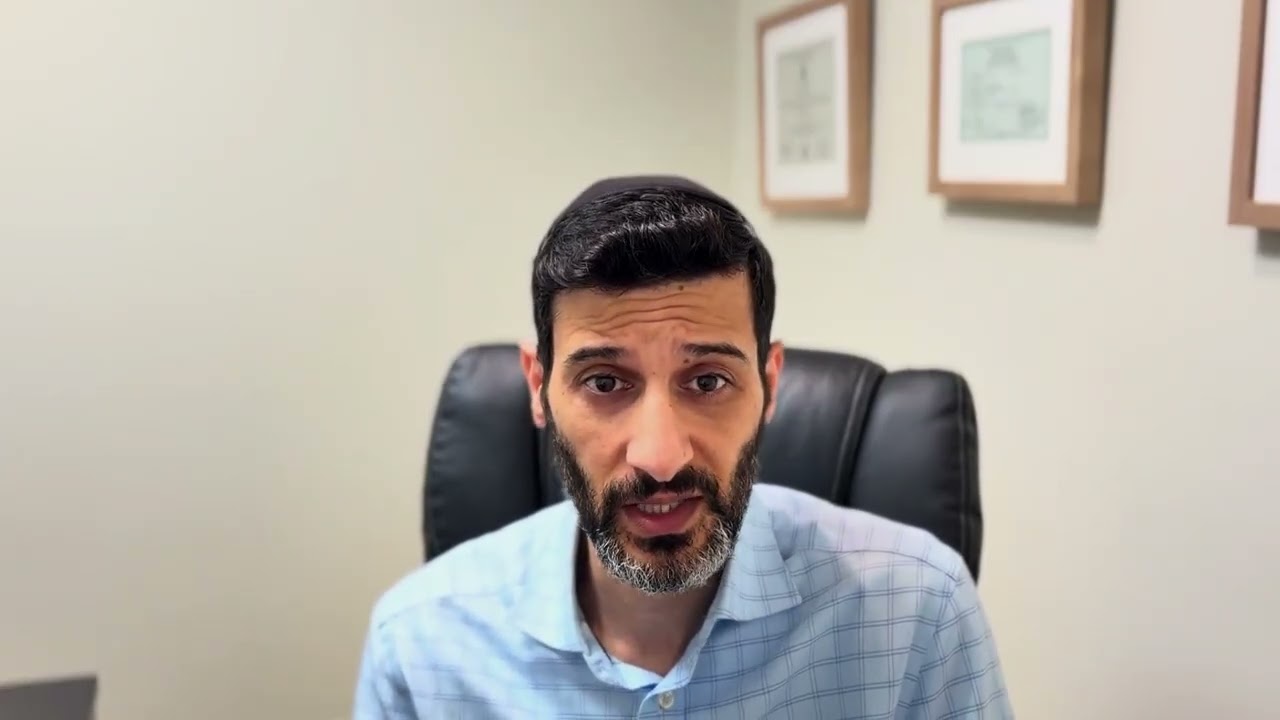
What is a full mouth reconstruction?
A full mouth reconstruction is when a patient needs to remake all of the teeth in the mouth. It could involve the upper teeth, lower teeth, natural teeth, or replacing teeth when there are no natural teeth at all.
Who is a good candidate for full mouth reconstruction?
Good candidates can come from a few categories. One category is people who grind their teeth and have ground them down to very minimal tooth structure. They can be good candidates for full mouth reconstruction. Another group is people who, for some reason, have teeth that have become really short. It could be because of an inborn defect or erosion from acid, whether it's a GI problem, gastroesophageal reflux disease, or acid from dietary consumption, like lots of sodas and sugary drinks that can produce acid and erode the teeth. When the teeth become really small, full mouth reconstruction may be a good solution.
Other candidates are people who have lost most or all of their teeth and need full mouth rehabilitation to provide them with new teeth so they can smile and chew. If they still have some teeth, those remaining teeth may or may not be used as part of the full mouth reconstruction. In some cases, we have to start from scratch and rehabilitate the person with other techniques.
What can disqualify someone from full mouth reconstruction?
It's mostly health issues. If a person, due to health issues, cannot sit in a dental chair for a full mouth reconstruction, that can be a problem. It could also be someone who doesn't have good oral hygiene and won't take care of the teeth in the future. Full mouth rehabilitation may not have a very high success rate for people who don't maintain good oral hygiene. So, good oral hygiene is really a requirement, along with consideration of certain medical conditions.
What are the different options for full mouth reconstruction?
Full mouth reconstruction and full mouth rehabilitation can be done with crowns or inlays and onlays. Crowns are caps that go on the teeth. They encircle the whole tooth and give it the strength and bulk that the tooth once had and is now missing. Crowns can be placed on individual teeth. If some teeth are missing, bridges can be placed instead to replace some of those missing teeth.
Full mouth rehabilitation can also be done with veneers. These are mostly aesthetic full mouth rehabilitations where a patient wants a brand-new, whiter smile and wants to change the aesthetics of the teeth. That's when veneers can come into play, and these can create really beautiful rehabilitations.
If the patient is missing a lot of teeth, full mouth rehabilitation can be done with removable appliances, such as partial dentures or complete dentures. It can also be done with fixed prostheses, such as implant-retained or implant-fixed prostheses, including All-on-X-type solutions or bridges on implants.
Can a general dentist perform full mouth rehabilitation?
Anyone who has gone through the proper education and training should be qualified to do full mouth rehabilitation. Finishing dental school alone is often not enough preparation to perform a full mouth rehabilitation. General dentists who pursue this type of treatment typically take a lot of continuing education. Some training may last weeks, while some may last months. Some dentists go back to school for even more training. These are usually prosthodontists, who go through additional schooling focused on treatments such as full mouth rehabilitation.
What is the full mouth reconstruction process?
The process starts with an initial visit and diagnosis. A patient comes in, and we take a lot of records, including pictures, X-rays, and medical history. We check what the patient's problem is so we can address the underlying issue that caused the tooth loss.
We also ask the patient about his or her desires for the future and go through a questionnaire about what type of prosthesis or rehabilitation the patient would want. Is it fixed or removable? Is it on implants or on teeth? We go through all of these questions during the first appointment.
Once this is completed, the doctor and patient make a decision about what type of rehabilitation we will provide. Once that decision is made, the process can begin. The treatment may take anywhere from 3 to 6 months, 12 months, or in some cases even 2 years. The longer processes are usually those that require orthodontic tooth movement into the proper position. Once orthodontics are completed, the prosthetic phase can begin.
How long does full mouth reconstruction take?
Full mouth reconstruction can take anywhere from 3 to 6 months to almost 2 years. It really depends on what type of treatment is being provided. If orthodontics are involved, treatment usually takes longer. Orthodontic treatment may take anywhere from 6 to 12 months, and some cases may take up to 2 years if significant tooth movement is needed.
Other reconstructions can take anywhere from 3 to 6 months, whether they're on teeth or implants. With implants, there is added waiting time for the implants to integrate into the jawbone, which can take anywhere from 3 to 6 months. In general, 3 to 6 months is common, although treatment lasting up to a year can also be normal.
What anesthesia options are available for full mouth reconstruction?
If full mouth reconstruction requires significant surgery, we may elect to use moderate conscious sedation or possibly general anesthesia. It really depends on the patient's medical health and how much treatment the patient can comfortably go through. If significant surgery isn't required, local anesthesia may be sufficient. Local anesthesia is intended to keep the treatment area numb during the procedure and should be sufficient in many cases.
How long does it take to heal after full mouth rehabilitation?
Usually, the first week has the greatest impact, with some soreness and sensitivity. These symptoms can be treated with pain medications. Following your doctor's recommendations can help keep discomfort minimal. After the first week and over the next few weeks, your body continues healing and things can start going back to normal.
There's a whole list of what to do and what not to do for patients who go through my rehabilitation process. The first week is really the most crucial. After the first week, things are usually easier.
How do you care for your teeth after full mouth rehabilitation?
There are special instructions that the patient has to follow. These include proper oral hygiene, with specific instructions about what to do during the first week and after the first week. Instructions also cover what type of diet the patient can have.
In some cases, dietary changes are only needed during the first week. A more extensive rehabilitation with implant-supported prostheses, where implants and prostheses are placed on the same day, may require a soft diet for 3 months while the implants become stable in the bone. For the most part, things become easier after the first week.
After the full mouth rehabilitation is completed, a patient is required to follow up with his or her doctor for hygiene visits and to check that everything remains healthy. If anything happens, we want to catch it early because it's easier to address an issue when it's just starting rather than when it becomes advanced.
How long does full mouth rehabilitation last?
Ideally, our goal is for whatever we do to last for the rest of a patient's life. However, we know that's not always the case because everything has a certain lifespan. There is wear and tear on any rehabilitation we place. If natural teeth have failed for a patient, prosthetic replacement teeth, even though we use very strong materials, can also have weaknesses, and things may happen over time.
That's why you should continue seeing your doctor after the rehabilitation to make sure things are doing well. If replacement is needed in the future, whether that's in 10, 15, or 20 years, we're better prepared when we've continued following up with the patient.
Does dental insurance cover full mouth rehabilitation?
Unfortunately, most dental insurance plans have a maximum benefit, so they may cover some of the cost. But you can reach that maximum benefit fairly quickly, and the remaining cost won't be covered. Usually, full mouth rehabilitation and full mouth reconstruction are extensive treatments, and the cost can go well beyond dental insurance coverage.
Are financing options available for full mouth rehabilitation?
Absolutely, yes. Many dental offices provide some type of payment or financing options to help patients receive the full mouth rehabilitation they need.
You’re never alone in caring for your dental health. At Dental Prosthodontics of Rochester, our team is here to support and meet you where you are in your dental journey. Call (585) 522-1922 or email rocprostho@gmail.com to connect with us today.